
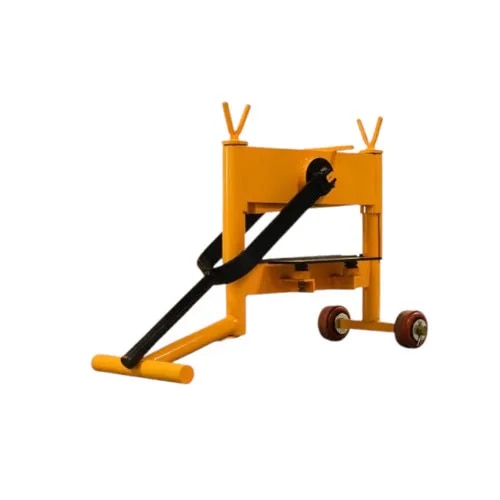
Paver Block Cutting Machine
Description
A Paver Block Cutting Machine precisely cuts paver blocks to size using a powerful motor and a robust, often diamond-tipped, blade, featuring manual or automated operation, sturdy frames for stability, and mechanisms for consistent cutting depth, essential for landscaping and construction projects needing custom-fit blocks for driveways, patios, and pathways, with types ranging from simple hand-held cutters to large industrial hydraulic systems.
How They Work (General Principle)
Material Placement: A paver block is placed on the machine's base or table.
Blade Engagement: A rotating blade, often diamond-tipped for hard materials, comes down or moves across the block.
Cutting Action: A motor powers the blade, allowing it to slice through the concrete or stone with high speed and force.
Precision: Machines use guide sleeves or automated systems to ensure the cut is straight, consistent, and to the desired depth, sometimes using hydraulic pressure for controlled force.
Key Components
Blades: Diamond-tipped for durability, with varying diameters (e.g., 24-inch) for deep cuts.
Motor: Powerful (e.g., 3 HP, 3-phase) to handle tough materials.
Frame: Heavy-duty metal (iron) for stability and to withstand vibrations.
Guides/Molds: To hold the block and guide the blade for accurate cuts.
Power Panel: For safe operation, often with on/off switches.
Types of Paver Block Cutters
Manual Hand Cutters: Smaller, portable, often with levers, ideal for smaller jobs.
Hydraulic Splitters: Use hydraulic force for clean, efficient cuts on hardscaping materials.
Wet Saws: Use water for cooling and dust suppression, common in larger projects.
Automated Saws: Industrial machines with automated feed and cutting for high volume.
Benefits
Precision: Create exact sizes for custom designs.
Efficiency: Speed up projects and reduce manual labor.
Versatility: Cut various materials like concrete, stone, and brick.
Safety: Controlled force reduces injury risk compared to manual breaking.