Coimbatore
08048121649
+919842780246
Scaffolding Material by Vardhaman Engineering

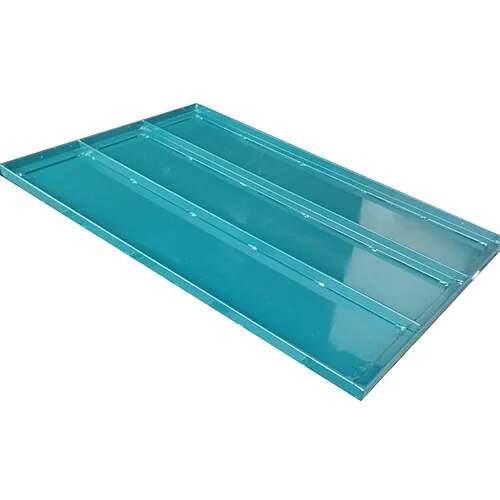
Centering Sheets

Phone Number

08048121649

Please keep 0 before dialling the number.

Mon-Thu: 10 AM - 2 PM • Fri: 3 PM - 7AM

Address 673/1, S.S.T Mill Road, post, R.G, Pudur, Chinniyampalayam, Coimbatore, Tamil Nadu 641062

Coimbatore, India, 641062

Description

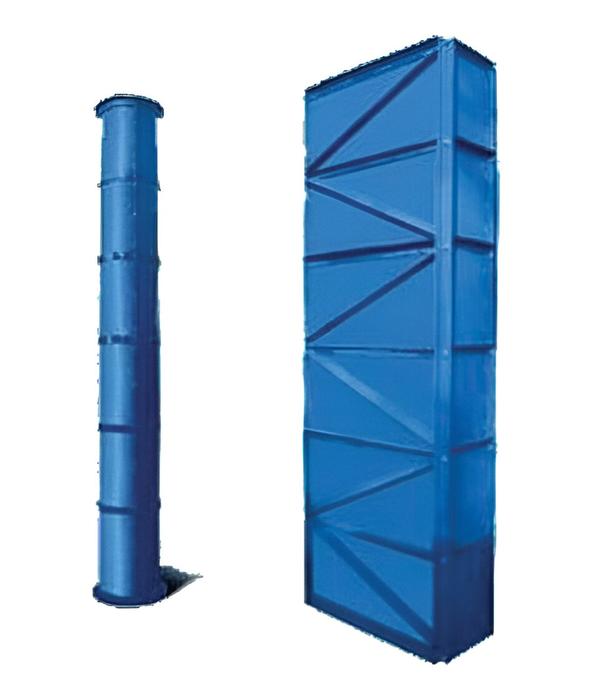
Centering sheets are temporary support structures (formwork) used in construction to mold and hold wet concrete in desired shapes (slabs, beams, arches) until it hardens, preventing sagging and ensuring structural integrity, typically made from plywood or metal and forming a reusable, strong base for concrete casting. They provide the mold or base for concrete, with key types including plywood (shuttering ply) and steel (folding or regular), available in various sizes, offering strength, reusability, and precise shaping for safe and efficient construction. Purpose & Function Support Wet Concrete: They hold the concrete in place as it sets and gains strength, preventing it from collapsing or deforming. Shape Structures: They create the mold for architectural elements like slabs, beams, columns, arches, and domes. Ensure Stability: Essential for the safety and precision of the final structure, especially in curved or elevated work. Types of Centering Sheets Plywood Centering (Shuttering Plywood): Often waterproofed, durable, and reusable, offering a smooth finish. Metal Centering Sheets (Steel Plates): Known for high tensile strength, corrosion resistance, and long life, often featuring folding designs for easy handling and storage. Key Features & Benefits High Strength: Engineered to bear heavy concrete loads. Reusability: Cost-effective due to multiple uses, especially metal types. Efficiency: Folding designs reduce storage space and assembly time. Versatility: Used across various construction applications, from basic slabs to complex curved structures. Material & Design Considerations Materials: Wood, plywood, or mild steel (MS). Finishes: Color-coated, galvanized. Designs: Folding types for portability, standard plates. Specifications: Available in various dimensions (e.g., 600x900mm, 600x1250mm) and thicknesses (e.g., 2mm, 3.2mm).
Other Products

view all

6814772a5d263414004dd4a4 Card 2

product image
Concrete Mixer Machine

Hydraulic Concrete Mixer Machine - Manufacturer in Howrah ...A Hydraulic Hopper Concrete Mixer Machine uses hydraulic power to lift and feed raw materials (cement, sand, aggregates) into a rotating drum, ensuring fast, safe, and consistent concrete mixing by reducing manual labor and improving batch times with features like a heavy-duty steel body, pneumatic wheels for mobility, and engine/motor options (diesel, electric) for versatile use on construction sites. Key Components & Features: Hydraulic Hopper: The defining feature, it automatically lifts and tilts to load materials, reducing physical effort and risk. Mixing Drum: Heavy-duty steel with internal blades rotates to ensure homogeneous mixing of materials. Power Source: Available with diesel engines (for off-grid) or electric motors (single/three-phase). Chassis & Mobility: Robust steel frame with pneumatic tires for stability and easy movement on rough terrains. Safety Features: Includes hopper locks, overload protection, and emergency stops for operator safety. How it Works: Loading: Materials are loaded into the hopper (manual or automatic feeding). Lifting: The hydraulic system smoothly raises the hopper. Mixing: The hopper tilts, dumping materials into the rotating drum, where they are mixed. Discharge: Once mixed, the drum's rotation is reversed (or a separate discharge door opened) to empty the concrete. Applications: Building Construction: Foundations, beams, columns, slabs. Road Works: Small-scale pavement and surfacing. Infrastructure: Bridges, culverts, and other on-site projects. Benefits: Efficiency: Faster loading and mixing cycles. Quality: Consistent, uniform concrete batches. Safety: Less manual handling of heavy materials. Versatility: Portable and suitable for various site conditions.

6814772a5d263414004dd4a4 Card 2

product image
Concrete Mixer Machine

A Hydraulic Hopper Concrete Mixer Machine uses hydraulic power to lift and feed raw materials (cement, sand, aggregates) into a rotating drum, ensuring fast, safe, and consistent concrete mixing by reducing manual labor and improving batch times with features like a heavy-duty steel body, pneumatic wheels for mobility, and engine/motor options (diesel, electric) for versatile use on construction sites. Key Components & Features: Hydraulic Hopper: The defining feature, it automatically lifts and tilts to load materials, reducing physical effort and risk. Mixing Drum: Heavy-duty steel with internal blades rotates to ensure homogeneous mixing of materials. Power Source: Available with diesel engines (for off-grid) or electric motors (single/three-phase). Chassis & Mobility: Robust steel frame with pneumatic tires for stability and easy movement on rough terrains. Safety Features: Includes hopper locks, overload protection, and emergency stops for operator safety. How it Works: Loading: Materials are loaded into the hopper (manual or automatic feeding). Lifting: The hydraulic system smoothly raises the hopper. Mixing: The hopper tilts, dumping materials into the rotating drum, where they are mixed. Discharge: Once mixed, the drum's rotation is reversed (or a separate discharge door opened) to empty the concrete. Applications: Building Construction: Foundations, beams, columns, slabs. Road Works: Small-scale pavement and surfacing. Infrastructure: Bridges, culverts, and other on-site projects. Benefits: Efficiency: Faster loading and mixing cycles. Quality: Consistent, uniform concrete batches. Safety: Less manual handling of heavy materials. Versatility: Portable and suitable for various site conditions.

6814772a5d263414004dd4a4 Card 2

product image
Concrete Mixer Machine

A Hydraulic Hopper Concrete Mixer Machine uses hydraulic power to lift and feed raw materials (cement, sand, aggregates) into a rotating drum, ensuring fast, safe, and consistent concrete mixing by reducing manual labor and improving batch times with features like a heavy-duty steel body, pneumatic wheels for mobility, and engine/motor options (diesel, electric) for versatile use on construction sites. Key Components & Features: Hydraulic Hopper: The defining feature, it automatically lifts and tilts to load materials, reducing physical effort and risk. Mixing Drum: Heavy-duty steel with internal blades rotates to ensure homogeneous mixing of materials. Power Source: Available with diesel engines (for off-grid) or electric motors (single/three-phase). Chassis & Mobility: Robust steel frame with pneumatic tires for stability and easy movement on rough terrains. Safety Features: Includes hopper locks, overload protection, and emergency stops for operator safety. How it Works: Loading: Materials are loaded into the hopper (manual or automatic feeding). Lifting: The hydraulic system smoothly raises the hopper. Mixing: The hopper tilts, dumping materials into the rotating drum, where they are mixed. Discharge: Once mixed, the drum's rotation is reversed (or a separate discharge door opened) to empty the concrete. Applications: Building Construction: Foundations, beams, columns, slabs. Road Works: Small-scale pavement and surfacing. Infrastructure: Bridges, culverts, and other on-site projects. Benefits: Efficiency: Faster loading and mixing cycles. Quality: Consistent, uniform concrete batches. Safety: Less manual handling of heavy materials. Versatility: Portable and suitable for various site conditions.