Coimbatore
08048121649
+919842780246
Scaffolding Material by Vardhaman Engineering

Column Box

Phone Number

08048121649

Please keep 0 before dialling the number.

Mon-Thu: 10 AM - 2 PM • Fri: 3 PM - 7AM

Address 673/1, S.S.T Mill Road, post, R.G, Pudur, Chinniyampalayam, Coimbatore, Tamil Nadu 641062

Coimbatore, India, 641062

Description

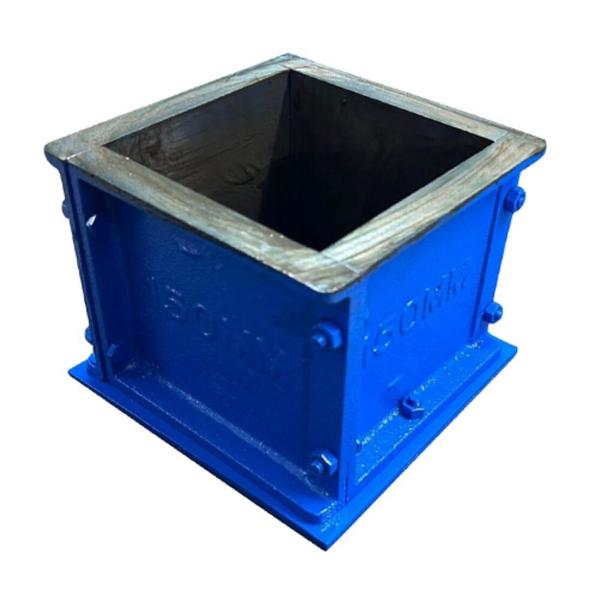
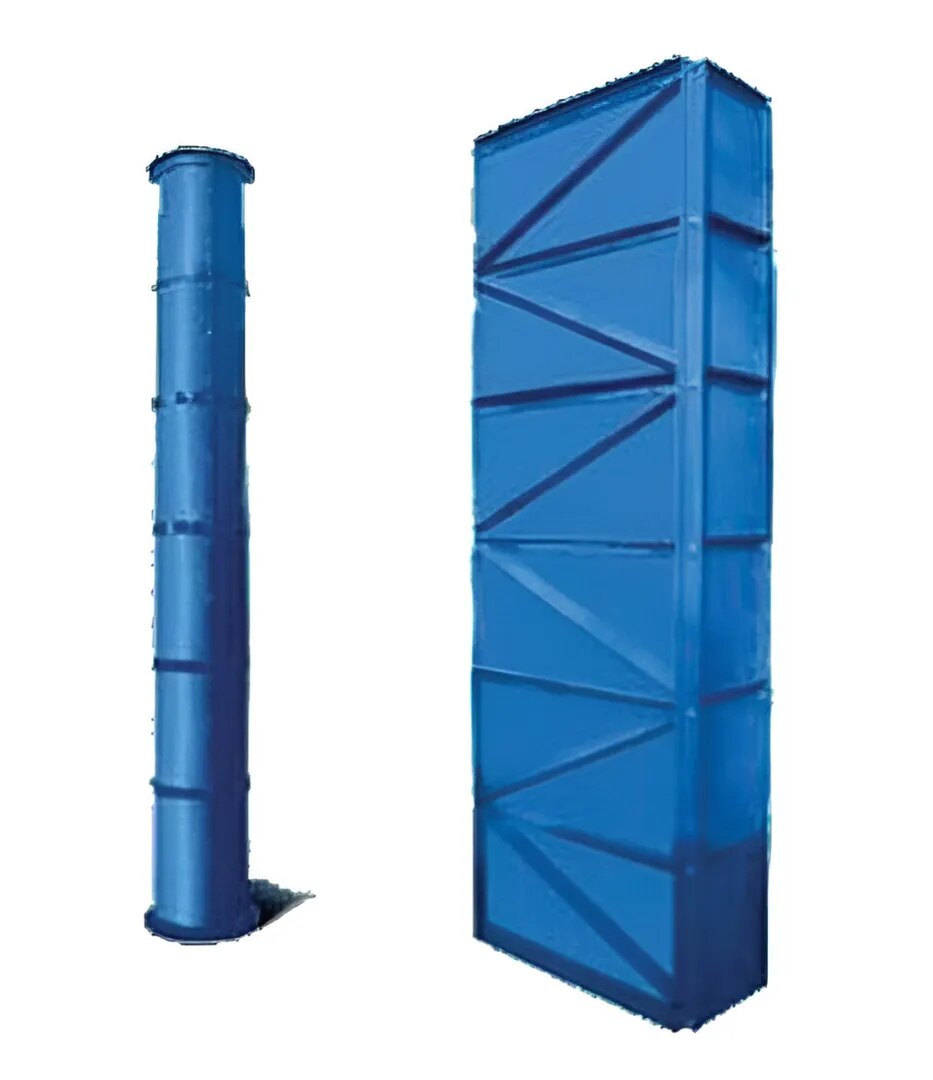
“Column boxes” refers to two related concepts: column formwork (a temporary mold used in concrete construction) and box columns (a specific type of hollow structural column made of steel). 1. Column Formwork (Column Box Shuttering) In concrete construction, a column box (or column formwork/shuttering) is a temporary mold placed around the reinforcing steel bars (rebar) into which wet concrete is poured. Purpose: It holds the fresh concrete in place, prevents it from spreading or distorting, and ensures it sets into the correct, desired shape and size with a smooth finish and sharp edges. Materials: Formwork can be made from various materials, including timber, plywood, or steel sheets. Steel formwork is often reusable, durable, and provides a smooth finish. Process Details: The formwork is assembled around the existing rebar and securely braced to prevent bulging under the pressure of the wet concrete. Shuttering oil or a release agent is applied to the interior to facilitate easy removal after the concrete has cured. After the concrete hardens sufficiently, the column box is disassembled and removed. 2. Box Columns (Steel Box Columns) Box columns are a type of permanent, vertical structural element used to support heavy loads in buildings, bridges, and other infrastructure. Description: They are characterized by a hollow, closed cross-section (usually square or rectangular) made from steel plates welded together. Key Features and Benefits: High Strength-to-Weight Ratio: They provide excellent strength and stability with less material compared to a solid column. Torsional Strength: Their closed shape offers superior resistance to twisting (torsional) forces, making them ideal for high-rise buildings and structures subject to dynamic forces like wind or earthquakes. Design Flexibility: The hollow interior can be used to run utilities (electrical, plumbing, HVAC services), saving space. Aesthetics: They offer a clean, modern look. Applications: Commonly used in skyscrapers, bridges, industrial warehouses, and other projects requiring high load-bearing capacity and stability. The specific size (width, thickness) is determined by engineers based on the required load capacity and building codes.
Other Products

view all

6814772a5d263414004dd4a4 Card 2

product image
Concrete Mixer Machine

Hydraulic Concrete Mixer Machine - Manufacturer in Howrah ...A Hydraulic Hopper Concrete Mixer Machine uses hydraulic power to lift and feed raw materials (cement, sand, aggregates) into a rotating drum, ensuring fast, safe, and consistent concrete mixing by reducing manual labor and improving batch times with features like a heavy-duty steel body, pneumatic wheels for mobility, and engine/motor options (diesel, electric) for versatile use on construction sites. Key Components & Features: Hydraulic Hopper: The defining feature, it automatically lifts and tilts to load materials, reducing physical effort and risk. Mixing Drum: Heavy-duty steel with internal blades rotates to ensure homogeneous mixing of materials. Power Source: Available with diesel engines (for off-grid) or electric motors (single/three-phase). Chassis & Mobility: Robust steel frame with pneumatic tires for stability and easy movement on rough terrains. Safety Features: Includes hopper locks, overload protection, and emergency stops for operator safety. How it Works: Loading: Materials are loaded into the hopper (manual or automatic feeding). Lifting: The hydraulic system smoothly raises the hopper. Mixing: The hopper tilts, dumping materials into the rotating drum, where they are mixed. Discharge: Once mixed, the drum's rotation is reversed (or a separate discharge door opened) to empty the concrete. Applications: Building Construction: Foundations, beams, columns, slabs. Road Works: Small-scale pavement and surfacing. Infrastructure: Bridges, culverts, and other on-site projects. Benefits: Efficiency: Faster loading and mixing cycles. Quality: Consistent, uniform concrete batches. Safety: Less manual handling of heavy materials. Versatility: Portable and suitable for various site conditions.

6814772a5d263414004dd4a4 Card 2

product image
Concrete Mixer Machine

A Hydraulic Hopper Concrete Mixer Machine uses hydraulic power to lift and feed raw materials (cement, sand, aggregates) into a rotating drum, ensuring fast, safe, and consistent concrete mixing by reducing manual labor and improving batch times with features like a heavy-duty steel body, pneumatic wheels for mobility, and engine/motor options (diesel, electric) for versatile use on construction sites. Key Components & Features: Hydraulic Hopper: The defining feature, it automatically lifts and tilts to load materials, reducing physical effort and risk. Mixing Drum: Heavy-duty steel with internal blades rotates to ensure homogeneous mixing of materials. Power Source: Available with diesel engines (for off-grid) or electric motors (single/three-phase). Chassis & Mobility: Robust steel frame with pneumatic tires for stability and easy movement on rough terrains. Safety Features: Includes hopper locks, overload protection, and emergency stops for operator safety. How it Works: Loading: Materials are loaded into the hopper (manual or automatic feeding). Lifting: The hydraulic system smoothly raises the hopper. Mixing: The hopper tilts, dumping materials into the rotating drum, where they are mixed. Discharge: Once mixed, the drum's rotation is reversed (or a separate discharge door opened) to empty the concrete. Applications: Building Construction: Foundations, beams, columns, slabs. Road Works: Small-scale pavement and surfacing. Infrastructure: Bridges, culverts, and other on-site projects. Benefits: Efficiency: Faster loading and mixing cycles. Quality: Consistent, uniform concrete batches. Safety: Less manual handling of heavy materials. Versatility: Portable and suitable for various site conditions.

6814772a5d263414004dd4a4 Card 2

product image
Concrete Mixer Machine

A Hydraulic Hopper Concrete Mixer Machine uses hydraulic power to lift and feed raw materials (cement, sand, aggregates) into a rotating drum, ensuring fast, safe, and consistent concrete mixing by reducing manual labor and improving batch times with features like a heavy-duty steel body, pneumatic wheels for mobility, and engine/motor options (diesel, electric) for versatile use on construction sites. Key Components & Features: Hydraulic Hopper: The defining feature, it automatically lifts and tilts to load materials, reducing physical effort and risk. Mixing Drum: Heavy-duty steel with internal blades rotates to ensure homogeneous mixing of materials. Power Source: Available with diesel engines (for off-grid) or electric motors (single/three-phase). Chassis & Mobility: Robust steel frame with pneumatic tires for stability and easy movement on rough terrains. Safety Features: Includes hopper locks, overload protection, and emergency stops for operator safety. How it Works: Loading: Materials are loaded into the hopper (manual or automatic feeding). Lifting: The hydraulic system smoothly raises the hopper. Mixing: The hopper tilts, dumping materials into the rotating drum, where they are mixed. Discharge: Once mixed, the drum's rotation is reversed (or a separate discharge door opened) to empty the concrete. Applications: Building Construction: Foundations, beams, columns, slabs. Road Works: Small-scale pavement and surfacing. Infrastructure: Bridges, culverts, and other on-site projects. Benefits: Efficiency: Faster loading and mixing cycles. Quality: Consistent, uniform concrete batches. Safety: Less manual handling of heavy materials. Versatility: Portable and suitable for various site conditions.